
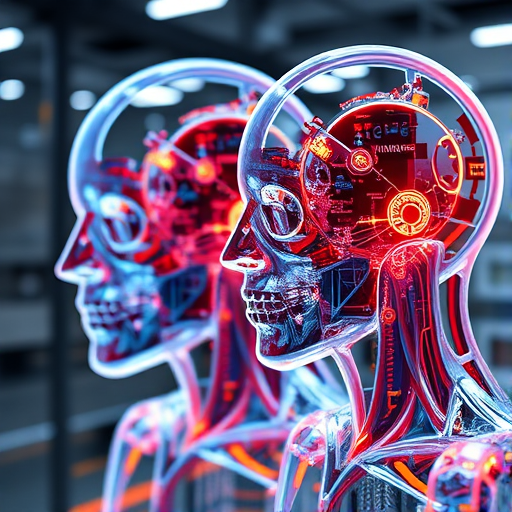
The concept of digital twins—virtual representations of physical assets, systems, or processes—has revolutionized engineering and manufacturing industries. By creating digital models that mirror real-world objects or systems, engineers and manufacturers can simulate, analyze, and optimize performance without the risks or costs associated with physical testing. As digital twin technology evolves, its role in enhancing design, manufacturing, and operational processes becomes more significant. Here’s how digital twins are transforming engineering and manufacturing: 1. Design and Prototyping Digital twins enable engineers to create highly accurate digital models of products during the design phase. These models can simulate how a product will behave under various conditions, such as temperature changes, wear and tear, or different loading scenarios. This helps in refining designs before physical prototypes are created. 2. Predictive Maintenance and Performance Optimization In manufacturing, digital twins are used to track the performance of machines and systems in real-time. Sensors and IoT devices collect data from physical assets, which is then mirrored in the digital twin. This allows operators to monitor equipment health, predict failures before they happen, and optimize maintenance schedules. 3. Simulation of Manufacturing Processes Digital twins enable manufacturers to simulate entire production processes, including assembly lines, material handling, and resource allocation. By analyzing these simulations, engineers can identify inefficiencies, optimize workflows, and reduce waste in the manufacturing process. 4. Supply Chain Management and Logistics Digital twins are increasingly being used to optimize supply chains by creating virtual models of inventory, suppliers, and distribution networks. Manufacturers can simulate and track materials as they move through the supply chain, identifying potential disruptions or bottlenecks before they occur. 5. Product Lifecycle Management Once a product is manufactured and deployed, digital twins continue to play a role by tracking its performance throughout its lifecycle. Sensors embedded in products can feed data back into their digital twin models, allowing manufacturers to monitor usage patterns, maintenance needs, and wear-and-tear over time. 6. Customization and Mass Customization Digital twin technology facilitates the customization of products at scale. For example, in industries like automotive and aerospace, customers may request specific modifications to products. Digital twins allow for virtual testing and analysis of these customizations to ensure they meet quality standards before physical manufacturing begins. 7. Energy Efficiency and Sustainability Manufacturers can use digital twins to model energy usage and environmental impact across the entire production process. By simulating different operational scenarios, manufacturers can identify opportunities for reducing energy consumption, lowering emissions, and minimizing waste. 8. Integration with Industry 4.0 Digital twins are a core component of Industry 4.0, which emphasizes smart, interconnected manufacturing systems. By integrating digital twins with other technologies such as IoT, artificial intelligence (AI), machine learning, and robotics, manufacturers can create fully automated and self-optimizing production environments. 9. Improving Collaboration Across Teams The use of digital twins fosters greater collaboration between different teams, including design, engineering, manufacturing, and maintenance. Since digital twins provide a common, real-time view of a product or system, all stakeholders can work from the same data, ensuring alignment and improving communication. 10. Testing and Experimentation Without Risk Digital twins allow manufacturers to experiment with different configurations, materials, and production methods without the risk and expense associated with physical trials. These virtual simulations make it possible to test out new ideas and innovations before committing to full-scale implementation.
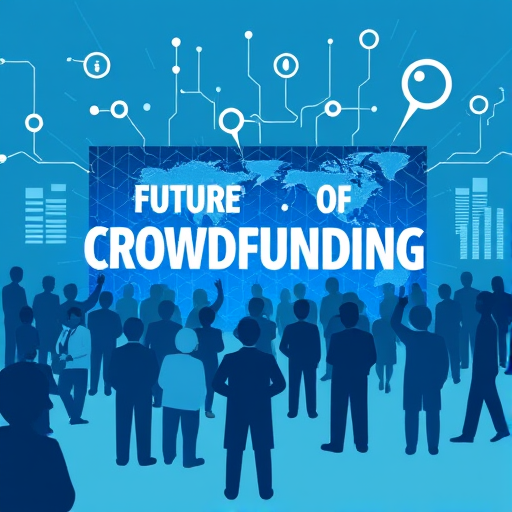
The Future Of Crowdfunding How Technology Is Empowering Entrepreneurs
Crowdfunding has evolved significantly over the past decade, and technology continues to play a pivotal role in shaping its future. Entrepreneurs now have access to more tools and platforms than ever before to raise capital, validate ideas, and engage with a global community of supporters. As the landscape of crowdfunding continues to grow and adapt, the potential for entrepreneurs to leverage these tools for success has never been greater. Here’s a look at how technology is empowering entrepreneurs in the future of crowdfunding: 1. Increased Access to Global Audiences One of the key benefits of crowdfunding is its ability to connect entrepreneurs with a global audience. Traditional methods of fundraising often require entrepreneurs to rely on local investors or a limited network of potential backers. However, crowdfunding platforms such as Kickstarter, Indiegogo, GoFundMe, and others allow entrepreneurs to tap into a vast, diverse group of backers from around the world. 2. Social Media and Viral Marketing Social media platforms like Facebook, Twitter, Instagram, LinkedIn, and TikTok have become critical tools for entrepreneurs looking to promote their crowdfunding campaigns. By using social media to build a community, share updates, and generate excitement around their projects, entrepreneurs can go viral and create a snowball effect of support. 3. Blockchain and Cryptocurrency in Crowdfunding Blockchain technology and cryptocurrencies are beginning to make their way into the crowdfunding space. Blockchain can offer increased transparency and security, which are crucial for both entrepreneurs and backers. Through smart contracts, blockchain can ensure that funds are distributed according to the campaign’s goals and milestones, reducing the potential for fraud. 4. Equity Crowdfunding Equity crowdfunding platforms like SeedInvest, Crowdcube, and Republic have revolutionized the way entrepreneurs raise capital by offering ownership stakes in their companies to investors. This contrasts with traditional reward-based crowdfunding, where backers receive products or perks in exchange for their support. Equity crowdfunding allows entrepreneurs to raise capital while also giving investors the opportunity to share in the financial upside of the business. 5. Crowdsourcing Expertise and Feedback Crowdfunding isn’t just about raising money—it’s also about building a community of supporters who can offer valuable feedback and expertise. Entrepreneurs can engage with backers to refine their product, conduct market research, and gather ideas for innovation. Platforms like Kickstarter encourage entrepreneurs to share prototypes or beta versions of their products, inviting input from their audience. 6. Data Analytics and Predictive Tools As crowdfunding continues to grow, the ability to analyze data from campaigns will become more advanced. Entrepreneurs can use data analytics tools to track backer behavior, understand which marketing tactics are most effective, and predict the success of their campaigns based on historical trends. 7. Mobile Accessibility and Convenience Smartphones and mobile apps have made it easier than ever for entrepreneurs to run crowdfunding campaigns on the go. With mobile-friendly platforms and apps, backers can contribute to campaigns, track progress, and engage with creators from anywhere at any time. This increases convenience for both entrepreneurs and supporters, making the process more accessible. 8. Customizable and Automated Campaign Management Campaign management software is becoming increasingly sophisticated, enabling entrepreneurs to customize their crowdfunding campaigns with ease. Automation tools can streamline processes such as follow-up emails, reward fulfillment, social media posting, and even donor recognition. Entrepreneurs no longer need to be hands-on with every aspect of their campaign, allowing them to focus more on the creative side of their business. 9. Increased Focus on Community Building Successful crowdfunding campaigns often rely on building a strong, engaged community of supporters. Technology will continue to enhance the ability for entrepreneurs to engage with backers and foster a sense of belonging among their supporters. Through exclusive content, behind-the-scenes access, and direct communication, entrepreneurs can create loyal fanbases that not only fund their projects but also help promote them. 10. Sustainability and Ethical Crowdfunding As awareness of social and environmental issues grows, there is increasing demand for ethical and sustainable business practices. Entrepreneurs are using crowdfunding to launch eco-friendly products, socially responsible ventures, and cause-driven campaigns. Technology is enabling the rise of platforms that focus on these types of projects, giving backers the opportunity to support businesses that align with their values.

The Benefits Of Drinking Water Staying Hydrated For Optimal Health
Drinking water is essential for maintaining good health and overall well-being. It’s easy to overlook how crucial hydration is, but staying properly hydrated impacts almost every system in the body. From enhancing physical performance to supporting cognitive function, the benefits of drinking enough water are vast and undeniable. Here’s a look at the many ways hydration supports optimal health: 1. Regulates Body Temperature Water plays a key role in regulating body temperature through the process of sweating and respiration. When the body overheats, sweating helps cool it down, and the evaporation of sweat removes excess heat. Adequate hydration ensures that your body can regulate temperature effectively, particularly during exercise or in hot weather. 2. Supports Digestion and Nutrient Absorption Drinking enough water aids in the digestion process. Water helps break down food, making it easier for your body to absorb nutrients. It also keeps the digestive system running smoothly by preventing constipation, as water softens stool and helps move it through the intestines. 3. Boosts Physical Performance When you’re dehydrated, your physical performance can suffer. Dehydration can lead to fatigue, reduced endurance, and increased risk of injury. Staying hydrated ensures that your muscles are properly lubricated, and helps maintain joint health and flexibility. For athletes, staying hydrated is critical for peak performance. 4. Improves Cognitive Function The brain is highly sensitive to changes in hydration levels. Even mild dehydration can impair concentration, memory, and mood. Studies show that staying hydrated can improve focus, cognitive performance, and mental clarity. Hydration also impacts energy levels and emotional well-being. 5. Detoxifies the Body Water is essential for flushing out toxins from the body. It supports the kidneys in filtering waste from the blood and helps eliminate toxins through urine. When you drink enough water, the kidneys can effectively remove waste products like urea, which helps prevent kidney stones and urinary tract infections. 6. Promotes Healthy Skin Water helps maintain skin elasticity and hydration, which can reduce the appearance of wrinkles, dryness, and skin irritation. Proper hydration also helps the body flush out toxins that can contribute to acne and other skin conditions. Skin that’s well-hydrated looks plumper, more radiant, and youthful. 7. Aids in Weight Management Drinking water can aid in weight management by boosting metabolism and helping to curb hunger. Sometimes, feelings of hunger are actually a sign of dehydration, and drinking water can help you distinguish between actual hunger and thirst. Additionally, drinking water before meals can create a sense of fullness, potentially reducing calorie intake. 8. Boosts Immune Function Water supports the immune system by helping to transport nutrients and oxygen to cells, and removing waste from the body. When the body is dehydrated, it may become more vulnerable to infections and illnesses. Hydration also helps to keep the mucous membranes in the respiratory system moist, which acts as a barrier to viruses and bacteria. 9. Helps Maintain Healthy Joints Water is essential for keeping the joints lubricated. Synovial fluid, which lubricates the joints and reduces friction during movement, is primarily made up of water. When you are dehydrated, the joints may not be properly lubricated, leading to discomfort, stiffness, and potential joint pain. 10. Improves Mood and Mental Health Even mild dehydration can affect your mood and overall mental health. Studies have shown that dehydration is linked to increased feelings of anxiety, depression, and irritability. Drinking enough water can improve mood, help reduce stress, and support emotional stability. 11. Prevents Headaches Dehydration is one of the common triggers for headaches and migraines. When the body is dehydrated, it can cause the brain to shrink slightly, leading to a painful headache. Drinking enough water can help prevent these headaches by ensuring the body remains hydrated. 12. Supports Heart Health Dehydration can put extra strain on the heart as it tries to pump blood through the body, which may increase heart rate and blood pressure. Staying hydrated ensures that the blood maintains the right viscosity (thickness), supporting overall cardiovascular health and reducing the risk of heart-related issues.
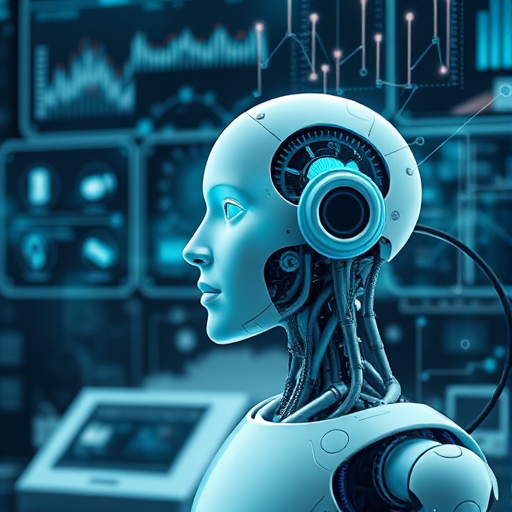
The Impact Of Artificial Intelligence In Job Automation What To Expect
Artificial Intelligence (AI) is increasingly transforming the workforce, with automation becoming a central part of many industries. AI-driven technologies are changing how businesses operate, how tasks are performed, and, in some cases, eliminating the need for human intervention in certain jobs. As a result, there’s a lot of uncertainty and curiosity about the future of work and what to expect as AI continues to evolve. Here’s a look at the impact of AI on job automation and the key trends we can expect moving forward: 1. Job Displacement and Job Creation AI automation is expected to replace certain repetitive or low-skill jobs, particularly those that involve manual, routine tasks. These might include roles in manufacturing, data entry, customer service (through chatbots), and even some driving jobs (with self-driving vehicles). For example, automated systems can handle tasks such as processing transactions, managing inventory, or conducting basic customer support interactions. 2. Changes in Skill Requirements AI is driving demand for new skills in the workforce. Jobs that remain in demand will require employees to have technical skills, such as proficiency with AI, machine learning, and data analysis. Roles that involve problem-solving, creativity, and interpersonal skills will also remain essential as these cannot be fully automated by AI. 3. Increased Productivity and Efficiency AI can automate mundane tasks, allowing employees to focus on more strategic or creative aspects of their work. Automation can increase efficiency and productivity by streamlining workflows, reducing errors, and speeding up processes. For example, AI-powered software can help companies analyze data, predict trends, and make decisions faster than humans can. 4. Enhanced Customer Service AI has already made a huge impact in customer service, with chatbots, virtual assistants, and AI-driven support systems handling many customer queries. These systems can operate 24/7 and provide instant responses, making customer support more efficient and accessible. 5. AI in Decision-Making and Strategy AI’s ability to process vast amounts of data and recognize patterns makes it valuable in decision-making. Businesses can use AI to identify market trends, optimize pricing strategies, improve supply chain management, and predict consumer behavior. AI can help companies make data-driven decisions that were previously time-consuming or impractical. 6. Ethical and Social Implications The rise of AI-driven job automation raises significant ethical and social questions, such as: How do we ensure that displaced workers have opportunities to retrain? How do we address the potential for AI biases that could perpetuate inequality in hiring or decision-making? And, how can we balance the economic benefits of AI with the potential harm it might cause to certain industries or populations? 7. Collaboration Between Humans and AI Rather than replacing humans entirely, AI is more likely to augment human capabilities in the workplace. Many tasks will become collaborative, with AI handling repetitive or analytical functions, while humans focus on tasks requiring creativity, critical thinking, or emotional intelligence. This can lead to a new kind of “human-AI partnership.” 8. Impact on Low-Skill and High-Skill Jobs The impact of AI automation may differ across various skill levels. Low-skill jobs that involve repetitive tasks (e.g., assembly line work, call centers, retail) are more vulnerable to automation. However, high-skill jobs requiring specialized knowledge or decision-making (e.g., doctors, engineers, creative professionals) may be less susceptible, although they may see certain tasks automated, like data analysis or routine diagnostics. 9. Impact on Employment Structures As AI takes over more routine tasks, the structure of many organizations could shift. For example, companies might lean toward hiring fewer employees for administrative or repetitive tasks and invest more in specialized roles that require human judgment. The freelance economy may also expand as more workers take on flexible, remote roles where they can collaborate with AI tools. 10. Global Workforce Transformation AI has the potential to drastically alter the global workforce, especially in emerging markets. Automation can either increase economic inequality if certain regions are left behind or reduce labor costs in developing countries, leading to new growth opportunities. The international nature of AI development and adoption may also lead to shifts in where jobs are located.

The Role Of Social Media In Building Personal Brands
Social media has become a powerful tool for individuals looking to build and promote their personal brands. Whether for entrepreneurs, influencers, freelancers, or professionals, social media provides a platform to showcase expertise, connect with audiences, and build an online presence that can be leveraged for career and business opportunities. Here’s how social media plays a significant role in building personal brands: 1. Increased Visibility and Reach Social media platforms, such as Instagram, Twitter, LinkedIn, TikTok, and Facebook, allow individuals to reach a global audience with minimal effort. By consistently sharing content that reflects their values, expertise, and personality, individuals can increase their visibility, allowing them to build a strong presence online. The reach is amplified through shares, likes, comments, and hashtags, enabling content to go viral and attracting attention from people worldwide. 2. Authentic Self-Expression Building a personal brand on social media provides a space for individuals to express their authentic selves. Through the content they post, whether personal stories, professional achievements, or opinions on industry trends, individuals can establish a voice and identity that resonates with their audience. The ability to share personal experiences or passions allows individuals to form deeper, more authentic connections with followers. 3. Content as a Portfolio Social media offers a space to showcase a variety of content that represents an individual’s skills, talents, and achievements. For example, a graphic designer may post portfolio pieces on Instagram, a writer can share blog posts on LinkedIn, or a photographer might post their best work on Twitter or a personal website. The content shared can serve as a living portfolio, constantly evolving and showcasing capabilities. 4. Networking and Relationship Building Social media is not just about broadcasting one’s brand, but also about engaging with others. Building relationships with key industry figures, peers, and influencers is an essential part of personal branding. Commenting on relevant posts, participating in Twitter chats, and engaging in LinkedIn groups helps to build a network that can provide support, mentorship, and opportunities. 5. Thought Leadership and Expertise Sharing valuable, insightful content on social media positions individuals as thought leaders in their field. By offering expert opinions, sharing industry news, providing tips, or creating educational content (such as videos or infographics), individuals can build credibility and establish themselves as knowledgeable figures within their niche. 6. Engagement with Audience Social media allows individuals to engage directly with their audience through comments, direct messages, live streams, and polls. This interaction helps build a sense of community and allows for real-time feedback. The more engaged and responsive individuals are with their followers, the stronger the connection they create. 7. Consistency and Branding Social media offers a space where individuals can build a consistent visual identity and messaging. By maintaining a cohesive aesthetic and tone across their posts and profile, individuals can create a recognizable brand. Consistency in posting content, whether it’s sharing insights or showcasing personal values, reinforces the brand’s presence and credibility. 8. Opportunities for Monetization For many, building a personal brand on social media is not just about gaining visibility or influence; it’s also about monetizing that influence. Social media platforms offer various ways to generate income, including sponsored posts, affiliate marketing, selling digital products, offering services, or launching personal projects like books or courses. 9. Feedback and Adaptation Social media allows for immediate feedback from followers, whether it’s through likes, comments, shares, or engagement metrics. This real-time data allows individuals to assess what content resonates most with their audience, enabling them to adapt their personal brand and content strategy accordingly. 10. Building a Community Social media gives individuals the chance to create a sense of belonging by building a community around their personal brand. This can involve creating private Facebook groups, starting a hashtag, or fostering interactions among followers who share common interests or goals. A strong, engaged community can amplify brand messages and increase visibility.
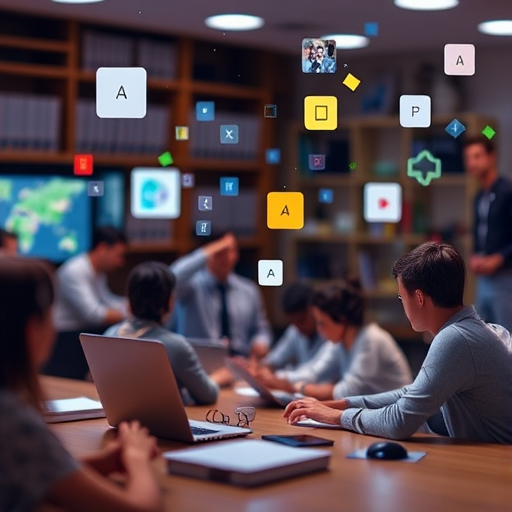
The Rise Of Microlearning How Short Learning Sessions Are Changing Education
Microlearning is an educational approach that focuses on delivering content in small, focused chunks. It typically involves short learning sessions, ranging from just a few minutes to around 15–20 minutes, designed to teach specific concepts or skills. This method is quickly gaining popularity in both formal and informal learning settings due to its effectiveness, flexibility, and ability to meet the demands of modern learners. Here’s a deeper look at how microlearning is reshaping education: 1. Increased Engagement Traditional long-form learning can sometimes lead to disengagement, especially in an era of information overload and shorter attention spans. Microlearning addresses this by offering bite-sized content that is easier to digest. Short sessions make it easier for learners to stay focused and engaged, as they don’t have to commit to long hours of study at once. 2. Flexibility and Convenience Microlearning is incredibly flexible, allowing learners to engage with content whenever and wherever they have time. Whether it’s during a commute, a break at work, or before bed, learners can access short lessons that fit their schedule. This is particularly valuable for busy professionals or students with packed routines. 3. Improved Retention One of the key benefits of microlearning is its focus on small, manageable amounts of information. This method takes advantage of the “spacing effect,” where information is presented in intervals over time, promoting better long-term retention. Microlearning often involves repetition and reinforcement, helping learners solidify what they’ve learned. 4. Personalized Learning Microlearning allows for more personalized learning experiences. Since the lessons are short and modular, they can be tailored to meet the specific needs and goals of individual learners. People can focus on the areas where they need the most help, skipping over content they already know. 5. Cost-Effective Microlearning can be more cost-effective than traditional forms of education. Because the sessions are shorter and the content is often digital, there are fewer production costs involved. This can make learning more affordable, especially when it comes to upskilling or professional development programs for employees. 6. Adaptability for Different Learning Styles Microlearning accommodates a variety of learning styles. It can include text, video, interactive simulations, quizzes, and other formats, allowing learners to engage with content in a way that suits them best. This diversity in delivery methods helps make learning more accessible to a wide range of individuals. 7. Promotes Continuous Learning and Just-in-Time Knowledge Microlearning fits seamlessly into the modern focus on continuous learning and upskilling. The method is often used to provide just-in-time learning, where learners access information they need immediately to solve a problem or perform a task. This is particularly useful in fields that require quick adaptation to new technology or industry standards. 8. Scalability in Education Microlearning can be easily scaled to meet the needs of large groups of learners, especially in digital formats. Whether it’s an entire workforce or a global student population, microlearning content can be disseminated efficiently and at scale, without the need for one-on-one instruction or lengthy courses. 9. Improved Focus on Specific Skills Rather than focusing on broad knowledge areas, microlearning is often centered on specific skills or competencies. This makes it particularly effective for targeted skill development, such as learning software tools, soft skills, or language vocabulary. Learners can quickly gain proficiency in a single skill and move on to the next. 10. Engagement with Gamification Microlearning lends itself well to gamification, where learning experiences are structured as games or challenges. This can involve points, badges, leaderboards, or challenges that motivate learners to continue engaging with content and complete learning tasks. The small, frequent rewards in microlearning can drive consistent progress.

The Benefits Of Sustainable Travel Eco-Friendly Vacation Options
Sustainable travel, also known as eco-friendly or responsible travel, focuses on minimizing the negative impact of tourism on the environment, local communities, and cultures. It emphasizes conserving natural resources, reducing waste, and promoting positive social and economic outcomes. As travelers become more environmentally conscious, sustainable travel options are gaining popularity. Here are some of the key benefits of choosing eco-friendly vacation options: 1. Reduced Carbon Footprint Traveling, especially by air, has a significant environmental impact in terms of carbon emissions. Sustainable travel promotes methods of transport that have a smaller carbon footprint, such as trains, buses, or electric vehicles. Many eco-friendly travel companies also offset their carbon emissions by investing in reforestation or renewable energy projects. 2. Preserving Natural Resources Eco-friendly travel focuses on protecting natural resources such as water, energy, and land. Sustainable tourism encourages the use of renewable energy sources, the reduction of water usage, and waste reduction through recycling programs and responsible consumption. 3. Supporting Local Communities Sustainable travel often involves supporting local businesses, artisans, and communities. Instead of staying at large chain hotels or resorts, eco-conscious travelers may opt to stay in locally owned accommodations, dine at restaurants that source locally grown food, or participate in tours that benefit the community. 4. Wildlife Conservation Eco-friendly travel helps promote wildlife conservation by encouraging tourism to protected areas and national parks. Many responsible travel companies offer eco-tours that focus on wildlife observation without disturbing natural habitats. They also contribute to conservation efforts through donations or partnerships with wildlife organizations. 5. Minimized Environmental Impact Sustainable travel reduces waste generation and pollution by promoting practices like reducing plastic use, opting for reusable items, and choosing eco-friendly accommodations. Many sustainable hotels and resorts have adopted green certifications, using energy-efficient systems, minimizing single-use plastics, and recycling waste. 6. Encouraging Sustainable Tourism Practices By choosing eco-friendly vacation options, travelers send a strong message to the travel industry that sustainability matters. This encourages companies to adopt more sustainable practices, from reducing energy consumption to offering low-impact excursions. As demand for responsible tourism rises, it drives positive changes within the industry. 7. Health and Wellness Benefits Eco-friendly travel often includes activities that are beneficial for both the body and the mind. Outdoor activities like hiking, biking, or swimming in natural settings help improve physical health, while spending time in nature has been shown to reduce stress, improve mood, and enhance mental well-being. 8. Promoting Cultural Awareness Responsible travel encourages interactions with local communities in ways that respect their traditions, customs, and way of life. Eco-friendly tourism emphasizes cultural exchange and helps travelers learn more about the places they visit, fostering a deeper understanding of local history, art, and values. 9. Cost-Effective and Unique Experiences Sustainable travel often involves experiences that are more authentic and off-the-beaten-path. Instead of opting for mass tourism, eco-friendly travelers may explore lesser-known destinations or engage in locally guided tours. These experiences tend to be more unique, immersive, and rewarding, providing deeper connections to the places visited. 10. Long-Term Sustainability for the Tourism Industry Sustainable travel practices contribute to the long-term viability of the tourism industry. By promoting environmental conservation, social responsibility, and economic resilience, eco-friendly tourism helps ensure that destinations remain attractive and viable for future travelers.

The Impact Of Virtual Reality On Entertainment Experiences
Virtual Reality (VR) is transforming the entertainment industry by offering immersive, interactive experiences that go far beyond traditional media formats like television, movies, or video games. By creating virtual environments where users can engage with digital content in a fully immersive way, VR is revolutionizing how we consume entertainment. Here’s a look at the significant impact VR is having on the entertainment industry: 1. Immersive Gaming Experiences One of the most significant impacts of VR has been in the world of gaming. VR enables players to step directly into the game world, allowing them to interact with the environment and characters in a way that traditional gaming methods (like controllers or keyboards) cannot replicate. VR headsets, motion tracking, and hand controllers make players feel like they are physically present within the game world, leading to heightened engagement and a more realistic experience. 2. Virtual Concerts and Live Performances VR is transforming live entertainment, especially in the music industry. Virtual concerts allow fans to experience live shows in a fully immersive environment, whether they’re attending a concert from the comfort of their home or virtually “standing” in the front row. VR concerts can provide 360-degree views of performances, backstage access, and interactive elements that traditional concerts can’t offer. 3. Enhanced Cinematic Experiences VR is also starting to influence the film and television industries by providing immersive storytelling experiences. VR films, also known as “360-degree videos,” allow viewers to look around the scene in all directions, creating a more interactive and participatory form of storytelling. This gives the audience a sense of presence within the story, blurring the lines between passive viewing and active engagement. 4. Virtual Theme Parks and Attractions Virtual reality is also making its way into theme parks and entertainment attractions. VR-based rides and experiences allow visitors to experience thrilling adventures, like roller coasters, in a way that blends physical motion with immersive digital visuals. Some parks are even creating fully virtual theme park experiences, where visitors can “travel” to different worlds or participate in fantasy adventures without leaving their homes. 5. Social VR and Virtual Communities VR has also facilitated the creation of virtual social spaces where people can interact, collaborate, and play games with others in a fully immersive, 3D environment. Virtual social platforms like VRChat or AltspaceVR allow users to meet, converse, and explore virtual worlds, enabling new forms of social interaction and community building that are entirely digital. 6. Virtual Tourism and Exploration VR is changing the way people experience travel and exploration. Virtual tourism allows users to explore destinations, landmarks, museums, and historical sites from the comfort of their own home. VR travel experiences can take users to far-off destinations, providing an immersive sense of “being there” without the need to physically travel. 7. Fitness and Wellness in Virtual Worlds In recent years, VR has found its way into the fitness and wellness industries. Virtual reality-based fitness apps and games provide a fun and engaging way to work out. Users can play immersive games or participate in virtual exercise classes that blend fitness with entertainment. VR experiences such as virtual yoga or dance classes are also becoming increasingly popular, offering people an interactive and enjoyable way to stay active. 8. Personalized and Interactive Content As VR technology becomes more advanced, it’s allowing for the creation of personalized entertainment experiences. VR allows for interactivity, enabling users to shape the content they experience. For example, interactive movies or VR-based video games may allow users to make choices that affect the outcome of the story, putting them in the role of the decision-maker. 9. Creating New Forms of Art VR is enabling artists to create entirely new forms of digital art. VR art allows artists to create 3D sculptures, paintings, and immersive installations that people can experience firsthand in virtual space. Some VR platforms even allow users to step inside the artwork, offering an entirely new way of experiencing art. 10. Entertainment Accessibility One of the key benefits of VR is its potential to make entertainment more accessible to people with disabilities. For example, VR can offer experiences for individuals with limited mobility, allowing them to experience physical spaces or participate in activities they might not otherwise be able to. This makes entertainment more inclusive and equitable.
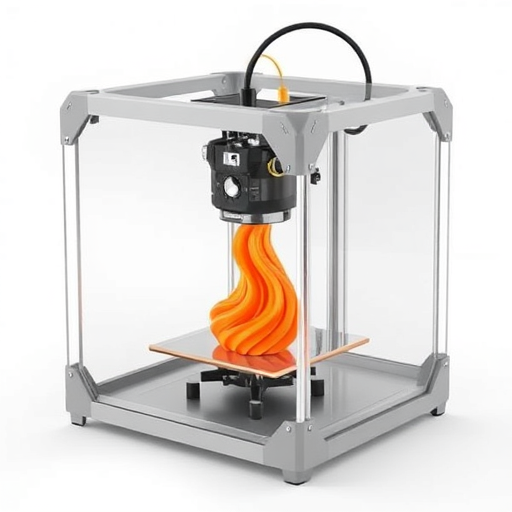
The Growth Of 3D Printing How It’s Revolutionizing Manufacturing And Design
3D printing, also known as additive manufacturing, has experienced rapid growth in recent years, revolutionizing manufacturing, design, and various industries. By allowing the creation of complex structures layer by layer from a digital model, 3D printing has opened up new possibilities for innovation, efficiency, and customization. Here’s a look at how it’s transforming the world of manufacturing and design: 1. Faster Prototyping and Product Development One of the most significant impacts of 3D printing is in prototyping. Traditional manufacturing methods, such as injection molding or machining, can take weeks to create prototypes, which can slow down the development process. With 3D printing, designers and engineers can create prototypes in hours or days, significantly speeding up the product development cycle. 2. Customization and Personalization 3D printing offers unparalleled customization, allowing for the production of unique, tailored products. Whether it’s custom medical implants, bespoke fashion items, or personalized consumer goods, 3D printing can create items that meet the specific needs of individuals. 3. Complex Designs and Innovation Traditional manufacturing methods often struggle to produce intricate, complex geometries. 3D printing, on the other hand, can easily create complex shapes and structures that would be impossible or prohibitively expensive to manufacture using conventional methods. This includes everything from lightweight lattice structures to integrated moving parts within a single print. 4. On-Demand Production and Reduced Inventory Costs With 3D printing, products can be made on demand, directly from a digital file. This reduces the need for mass production and large inventories, enabling companies to produce parts or products as needed, rather than holding large quantities of stock. 5. Sustainability and Waste Reduction Traditional manufacturing processes often involve material waste, either due to cutting, machining, or excess materials. 3D printing, however, is an additive process, meaning that material is added layer by layer rather than subtracted from a larger block. This results in much less waste. 6. Distributed Manufacturing and Local Production 3D printing enables distributed manufacturing, where products can be produced locally rather than being mass-produced in centralized factories. This is particularly valuable in industries where customization is key or where logistical challenges make shipping costs prohibitive. 7. Supply Chain Resilience The COVID-19 pandemic highlighted the vulnerabilities in global supply chains, with disruptions affecting production and delivery times. 3D printing offers the potential for greater resilience, as companies can produce critical parts or products locally without relying on overseas suppliers. 8. Cost-Effective Low-Volume Production For small-batch or low-volume production runs, 3D printing can be far more cost-effective than traditional methods like injection molding, which require expensive molds and tooling. 3D printing eliminates the need for these upfront costs, making it a viable option for producing limited runs or prototypes. 9. Revolutionizing Healthcare In healthcare, 3D printing is being used to create customized medical devices, prosthetics, implants, and even human tissues. This technology allows for the creation of personalized solutions for patients, from custom-fit hearing aids to tailored orthopedic implants. 10. Digital Supply Chains and Digital Twins 3D printing integrates seamlessly with digital technologies, allowing for the creation of “digital twins”—virtual models of physical objects. These digital replicas can be used for simulation, testing, and analysis before actual production begins, reducing the risk of errors and improving the efficiency of manufacturing processes. 11. Education and Research 3D printing is transforming education and research by making complex concepts and prototypes accessible. Students, researchers, and engineers can use 3D printers to bring ideas to life and test theories, advancing innovation across a range of fields.

The Importance Of Emotional Intelligence In Leadership And Success
Emotional Intelligence (EI), often referred to as Emotional Quotient (EQ), is the ability to recognize, understand, manage, and influence emotions—both your own and those of others. In leadership, EQ plays a crucial role in shaping effective, empathetic leaders who can foster positive relationships, create a collaborative work environment, and drive success. Here’s why emotional intelligence is so important in leadership and success: 1. Self-Awareness Leaders with high emotional intelligence are keenly aware of their own emotions and how these emotions impact their thoughts and behaviors. This self-awareness helps them make more thoughtful decisions, react appropriately in stressful situations, and avoid overreacting or making impulsive choices. It also helps them understand their strengths and areas for improvement. 2. Self-Regulation Leaders with strong self-regulation are able to manage their emotions and impulses, even in challenging circumstances. They can stay calm under pressure, think clearly, and make reasoned decisions instead of acting out of frustration, anger, or stress. 3. Empathy Empathy is the ability to recognize, understand, and share the feelings of others. Leaders with high empathy are attuned to the emotional states of their team members, which allows them to provide support, offer guidance, and make adjustments based on the emotional needs of their teams. 4. Social Skills Social skills are crucial for building relationships, communicating effectively, and collaborating with others. Leaders with strong social skills can navigate social dynamics, resolve conflicts, motivate their team, and facilitate cooperation among team members. 5. Motivation Leaders with high emotional intelligence tend to have strong intrinsic motivation and are passionate about their work. They are driven by a sense of purpose and a desire to achieve meaningful goals. They also encourage and inspire the same motivation in their teams by recognizing individual and collective achievements. 6. Conflict Resolution Emotional intelligence helps leaders navigate conflicts with sensitivity and understanding. Leaders with high EQ are able to mediate disputes, manage tensions, and facilitate productive conversations that lead to mutually beneficial solutions. They approach conflicts with a focus on preserving relationships while addressing the underlying issues. 7. Building Trust and Relationships Trust is the foundation of any successful leadership. Leaders with high emotional intelligence build trust by being consistent, transparent, and fair. They take the time to listen, show respect, and demonstrate empathy toward their team members. 8. Enhanced Decision-Making Leaders with strong emotional intelligence can make decisions that take into account both emotional and rational factors. They are able to assess situations objectively, consider the emotional impact of their choices on their team, and make decisions that benefit the long-term health of the organization. 9. Adaptability to Change In today’s fast-paced work environment, change is constant. Leaders with high emotional intelligence are adaptable, able to manage uncertainty, and guide their teams through transitions with confidence and clarity. They remain calm and composed, which reassures their teams and keeps morale high. 10. Increased Employee Engagement and Productivity Leaders who exhibit emotional intelligence are better at recognizing and addressing the needs of their employees. This leads to increased engagement, higher job satisfaction, and greater loyalty. Engaged employees are more productive, creative, and committed to achieving the organization’s goals.
